Baby Care Guide ↗

Evidence-based. References guidelines from ACOG, CDC, and WHO.
Informational only, not medical advice. Always consult your OB/GYN or healthcare provider.
Could you be pregnant before your period is even due? Many women experience subtle early pregnancy signs before missed period that can appear as soon as 6-12 days after ovulation — well before a standard pregnancy test can confirm. This complete checklist covers every early sign to look for, organized by how common they are and when they typically show up in your cycle. Once your pregnancy is confirmed, head to our first trimester guide for everything that comes next.
📌 Key Takeaway: The most reliable early pregnancy signs before missed period checklist includes implantation spotting (6-12 DPO), breast tenderness, unusual fatigue, and a sustained elevated basal body temperature. However, many of these symptoms overlap with PMS, so the only way to confirm pregnancy is with a test after your missed period.
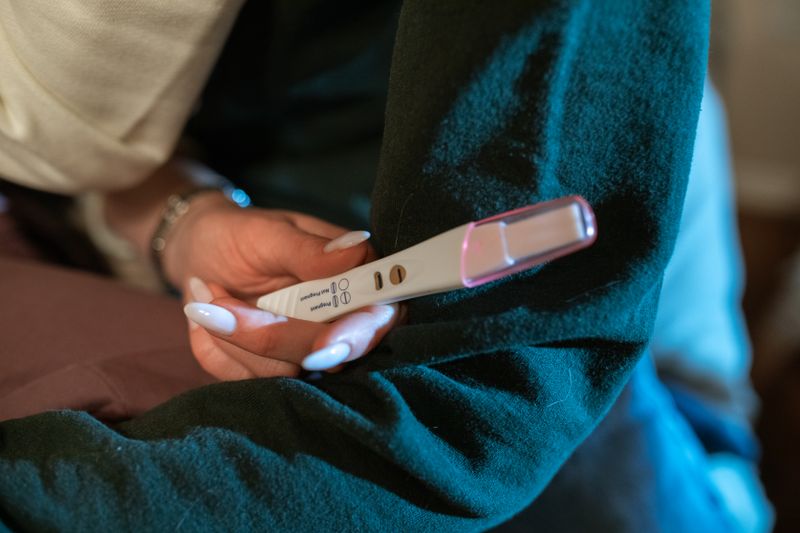
Early Pregnancy Signs Before Missed Period: The Complete Checklist
Use this checklist to track which signs you’re experiencing. The more items you check off, the higher the likelihood — but remember, only a pregnancy test can confirm.
Very Common Signs (Reported by 50-80% of Women)
-
✅ Implantation bleeding or spotting — Light pink or brown discharge, much lighter than a period. Occurs when the fertilized egg attaches to the uterine lining, typically 6-12 days past ovulation (DPO).
-
✅ Breast tenderness and swelling — Breasts may feel heavier, fuller, or sore to the touch. Progesterone and estrogen cause breast tissue to retain more fluid. Often one of the earliest noticeable changes.
-
✅ Unusual fatigue and exhaustion — Feeling more tired than usual even with adequate sleep. Rising progesterone levels have a sedative effect, and your body is working hard to build the placenta. See our pregnancy symptoms week by week guide for what comes after those first signs.
-
✅ Mild cramping (implantation cramps) — Light, pulling or tingling sensations in the lower abdomen. Feels different from period cramps — usually milder and may occur on one side.
-
✅ Bloating and gas — Progesterone slows digestion, causing bloating similar to what you might experience before your period.
-
✅ Elevated basal body temperature (BBT) — If you track BBT, a sustained rise beyond the typical 12-14 day luteal phase is one of the most reliable early pregnancy signs before missed period.
Common Signs (Reported by 30-50% of Women)
-
✅ Heightened sense of smell — Suddenly noticing smells that never bothered you before (cooking odors, perfume, coffee). This hyperosmia is triggered by rising estrogen levels.
-
✅ Food aversions or cravings — Suddenly unable to tolerate certain foods you normally enjoy, or craving unusual combinations. Can begin as early as 1-2 weeks after conception.
-
✅ Mood swings and emotional changes — Feeling unusually emotional, tearful, or irritable. Hormonal fluctuations — particularly rising hCG and progesterone — affect neurotransmitter levels.
-
✅ Frequent urination — Needing to urinate more often than usual, even though you’re not drinking more. hCG increases blood flow to the kidneys, and the kidneys become more efficient (temporarily producing more urine).
-
✅ Cervical mucus changes — Instead of drying up as it typically does before a period, cervical mucus remains creamy, white, or slightly yellow and plentiful. Known as “leukorrhea.”
-
✅ Metallic taste in mouth — A persistent metallic or bitter taste (dysgeusia) caused by hormonal changes. Often described as tasting like coins or metal.
Less Common but Notable Signs (Reported by 10-30% of Women)
-
✅ Headaches — Mild to moderate headaches caused by increased blood volume and hormonal changes in early pregnancy.
-
✅ Vivid or unusual dreams — More frequent, intense, or bizarre dreams. Hormonal changes and sleep disruption contribute to increased dream recall and vividness.
-
✅ Nasal congestion or stuffy nose — Pregnancy hormones increase blood flow and cause swelling of the mucous membranes in the nose. Known as “pregnancy rhinitis.”
-
✅ Light-headedness or dizziness — Blood vessels dilate in early pregnancy, which can lower blood pressure and cause momentary dizziness, especially when standing quickly.
-
✅ Constipation — Progesterone slows the movement of food through the digestive tract, which can lead to constipation before your period is even due.
-
✅ Mild nausea (without vomiting) — While full morning sickness usually starts around weeks 6-8, some women report a queasy feeling as early as 7-10 DPO.
💡 Tip: Track these symptoms alongside your cycle using an ovulation calculator. If you experience 5 or more of these signs during the luteal phase, consider testing with a sensitive early-detection pregnancy test at 12-14 DPO.
Day-by-Day Timeline After Ovulation (DPO 1-14)
This timeline shows the earliest days each symptom can potentially appear. Keep in mind that the fertilized egg doesn’t implant until 6-12 DPO, so symptoms before day 6 are driven by progesterone rather than pregnancy-specific hormones.
| DPO | What’s Happening Biologically | Possible Symptoms |
|---|---|---|
| 1 | Egg fertilized in fallopian tube | None — too early for symptoms |
| 2 | Fertilized egg begins dividing (2 cells, then 4) | None |
| 3 | Embryo continues dividing (8-cell stage); travels toward uterus | None |
| 4 | Embryo becomes a morula (16+ cells); enters uterus | Progesterone-driven bloating possible |
| 5 | Morula becomes a blastocyst; hatches from protective shell | Mild bloating, breast tenderness from progesterone |
| 6 | Earliest implantation possible; hCG production may begin | Implantation spotting, light cramping, fatigue |
| 7 | Implantation continuing or occurring; hCG rising | Spotting, cramping, mood changes, breast tenderness |
| 8 | Implantation typically complete; hCG levels doubling every 48 hours | Fatigue, breast soreness, mild nausea, heightened smell |
| 9 | hCG detectable in blood; implantation dip possible on BBT chart | All early signs possible: fatigue, spotting, cramping |
| 10 | hCG rising rapidly; may be detectable on sensitive home tests | Metallic taste, food aversions, frequent urination |
| 11 | hCG continues doubling; progesterone remains elevated | Bloating, constipation, vivid dreams, mood swings |
| 12 | Most home pregnancy tests can detect hCG; period approaching | Breast fullness, fatigue, nausea, cervical mucus changes |
| 13 | hCG levels strong enough for clear positive on most tests | Heightened symptoms; absence of typical PMS pattern |
| 14 | Expected period date — a missed period is the strongest sign | Missed period, continued BBT elevation, strong positive test |
📊 Key Data: According to a study published in the New England Journal of Medicine, 84% of implantation occurs between days 8-10 after ovulation. Implantation before day 6 or after day 12 is rare and may be associated with higher risk of early loss.
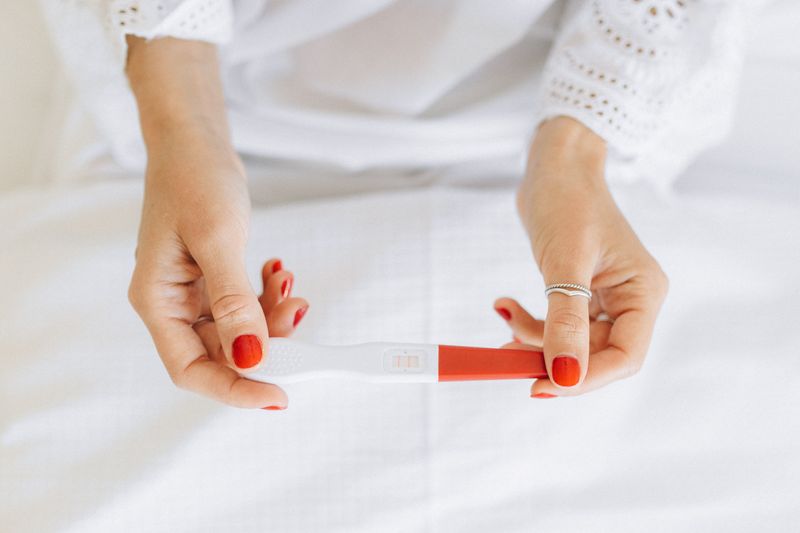
PMS vs. Early Pregnancy: Comparison Table
One of the biggest challenges is that early pregnancy signs before missed period overlap heavily with premenstrual syndrome. Here are the key differences:
| Symptom | PMS | Early Pregnancy |
|---|---|---|
| Breast pain | Soreness that improves once period starts | Soreness that continues and intensifies; areolas may darken |
| Cramping | Strong, builds up to period | Mild, intermittent, may be one-sided; doesn’t escalate |
| Fatigue | Moderate, improves with period | Extreme, feels disproportionate; progesterone-driven |
| Mood swings | Irritability, anxiety | More emotional/tearful than angry; may feel weepy |
| Bloating | Bloating that resolves with period | Persistent bloating that doesn’t ease |
| Spotting | No spotting (or heavy start) | Light pink/brown spotting 6-12 DPO (implantation) |
| Food reactions | Cravings (chocolate, salty foods) | Aversions to foods you normally enjoy; metallic taste |
| BBT | Drops before period arrives | Stays elevated beyond typical luteal phase (18+ days high) |
| Cervical mucus | Dries up before period | Remains creamy, white, and plentiful |
| Nausea | Uncommon with PMS | Mild queasiness possible even before missed period |
| Smell sensitivity | Uncommon | Heightened smell is strongly associated with pregnancy |
| Duration | Symptoms end when period starts | Symptoms continue and intensify over days |
⚠️ Important: The most reliable distinguishing factor between PMS and early pregnancy is what happens on the day your period is due. If your period doesn’t arrive and your BBT stays high, pregnancy is highly likely. Test with a first-morning urine sample for the most accurate result.
When to Take a Pregnancy Test
| Test Type | Earliest Reliable Date | Accuracy | Cost |
|---|---|---|---|
| Blood test (quantitative hCG) | 8-10 DPO | 99%+ | $$ |
| Early-detection home test (10 mIU/mL) | 10-12 DPO | 90-95% | $ |
| Standard home test (25 mIU/mL) | 14 DPO (day of missed period) | 99% | $ |
| Digital home test | 14 DPO (day of missed period) | 99% | $$ |
💡 Tip: If you get a negative result before your missed period but still have symptoms, wait 2-3 days and test again. hCG doubles every 48-72 hours, so even a few days can make the difference. Use your first-morning urine for the highest hCG concentration.
Once you get a positive result, use our due date calculator to estimate your delivery date based on the first day of your last menstrual period.
What to Do If You Think You’re Pregnant
- Wait until at least 12 DPO to take a home pregnancy test for the most reliable result
- Use first-morning urine — it contains the highest concentration of hCG
- Confirm with a second test 2-3 days later if you get a positive
- Schedule a prenatal appointment — most providers will see you between weeks 6-8
- Start prenatal vitamins immediately (especially folic acid 400-800 mcg daily)
- Avoid alcohol, smoking, and high-mercury fish as a precaution
- Calculate your due date using our due date calculator
FAQ
How soon can early pregnancy signs appear before missed period?
The earliest pregnancy-specific signs can appear around 6-8 DPO, when implantation occurs. Implantation spotting and mild cramping are typically the first signs on the early pregnancy signs before missed period checklist. However, most noticeable symptoms develop between 10-14 DPO as hCG levels rise.
What is the most reliable early pregnancy sign before a missed period?
A sustained elevated basal body temperature (BBT) beyond the typical 12-14 day luteal phase is considered the most reliable early indicator. If you track BBT and your temperature stays high for 18+ consecutive days, there is a strong likelihood of pregnancy. Implantation bleeding at 6-12 DPO is also highly specific to pregnancy.
Can you have early pregnancy signs and not be pregnant?
Yes. Many early pregnancy signs before missed period — including breast tenderness, fatigue, bloating, and mood swings — overlap with PMS symptoms. Progesterone rises in the second half of every menstrual cycle regardless of pregnancy, causing similar symptoms. This is why a pregnancy test is the only definitive confirmation.
How is implantation bleeding different from a period?
Implantation bleeding is typically much lighter than a period — light pink or brown spotting that lasts 1-2 days. A period usually starts light, becomes heavier, and lasts 4-7 days with bright red blood. Implantation bleeding occurs 6-12 days after ovulation, which may be a few days before your expected period. It does not contain clots and does not fill a pad.
💡 Related Resources: After baby arrives, visit our sister site baby.chparenting.com for newborn care, sleep training, feeding guides, and developmental milestones.
References
- American College of Obstetricians and Gynecologists. “Early Pregnancy Loss.” acog.org
- Wilcox AJ, Baird DD, Weinberg CR. “Time of implantation of the conceptus and loss of pregnancy.” New England Journal of Medicine. nejm.org
- Mayo Clinic. “Getting Pregnant: Symptoms of Pregnancy.” mayoclinic.org
- Cleveland Clinic. “Am I Pregnant? Early Symptoms of Pregnancy.” clevelandclinic.org
- American Pregnancy Association. “What is Implantation Bleeding?” americanpregnancy.org

Written by
Vega LinFounder & Editor — Mother of 2 (Taiwan)
Vega writes Pregnancy Guide from the intersection of evidence-based research (ACOG, CDC, WHO) and her own experience as a mother of two. Holds a Master's in Digital Innovation from Tunghai University. Read more →
Related articles