Baby Care Guide ↗

Evidence-based. References guidelines from ACOG, CDC, and WHO.
Informational only, not medical advice. Always consult your OB/GYN or healthcare provider.
You walk into the kitchen and forget why you’re there. You call your partner by the dog’s name. You put your phone in the refrigerator and spend twenty minutes looking for it. If you’re pregnant and nodding along, you’re experiencing what’s commonly called “pregnancy brain” — and you’re not imagining it. Research confirms that pregnancy causes measurable changes in brain structure, hormone levels, and cognitive function. A landmark 2017 study published in Nature Neuroscience found that pregnancy reduces gray matter volume in specific brain regions, and these changes persist for at least two years postpartum. For a full timeline of symptoms by week, see our pregnancy symptoms week by week guide.
📌 Key Takeaway: Pregnancy brain is scientifically validated. Hormonal surges, sleep deprivation, and structural brain changes all contribute to forgetfulness and reduced concentration during pregnancy. Symptoms typically begin in the first trimester, peak in the third, and resolve within several months postpartum. Read more about what to expect during postpartum recovery. The brain changes are not damage — they represent neural restructuring that enhances maternal bonding and social cognition.
What Is Pregnancy Brain?
Pregnancy brain (also called “momnesia” or “mom brain”) refers to the cognitive changes many women experience during pregnancy: forgetfulness, difficulty concentrating, mental fog, misplacing items, trouble finding words, and reduced short-term memory. An estimated 50–80% of pregnant women report these symptoms, according to a meta-analysis published in the Medical Journal of Australia.
These cognitive shifts are subtle — they don’t impair your ability to work or function safely, and they are not detectable to outside observers in most cases. But they are measurable in controlled cognitive testing and are consistent enough that researchers consider them a genuine feature of pregnancy, not a cultural myth or self-fulfilling prophecy.
📊 Key Data: A 2018 meta-analysis in the Medical Journal of Australia reviewed 20 studies involving 1,230 pregnant women and 469 non-pregnant controls. Pregnant women performed significantly worse on measures of general cognitive functioning, memory, and executive function, particularly during the third trimester. The differences were consistent but fell within the normal range of function.
The Science Behind Pregnancy Brain
Hormonal Changes
Pregnancy triggers the most dramatic hormonal shifts a human body experiences outside of puberty. These hormones directly affect brain function:
| Hormone | Change During Pregnancy | Effect on Cognition |
|---|---|---|
| Progesterone | Increases up to 10x by third trimester | Causes fatigue and drowsiness; affects GABA receptors involved in memory |
| Estrogen | Increases 100x above pre-pregnancy levels | Influences hippocampal function (memory center); can enhance some types of memory while impairing others |
| Cortisol | Increases 2–3x by late pregnancy | Chronic elevation impairs working memory and concentration |
| Oxytocin | Surges throughout pregnancy and peaks at birth | Shifts brain focus toward social bonding and away from detail-oriented tasks |
| Prolactin | Rises steadily from first trimester | Prepares brain for caregiving; may redirect attention priorities |
The interplay between these hormones essentially remodels the brain’s priorities. Your brain is not malfunctioning — it is reallocating resources toward skills that will be critical for caring for a newborn: threat detection, emotional reading, social bonding, and multitasking.
Structural Brain Changes
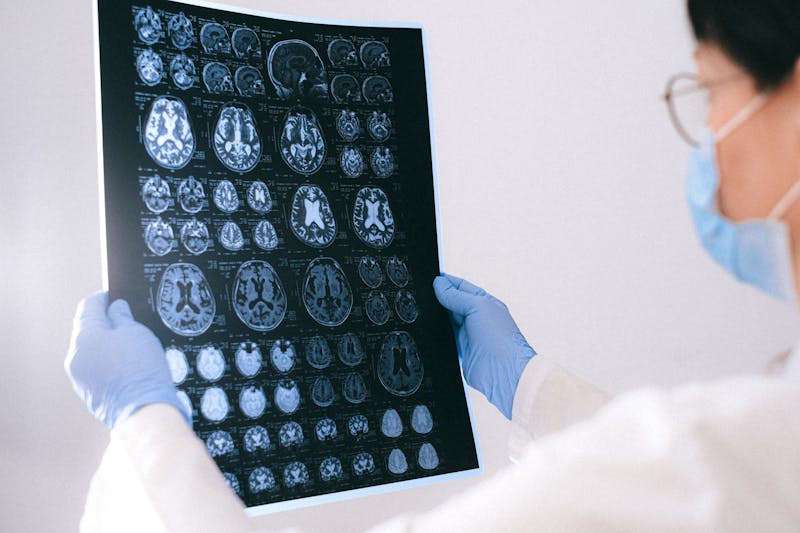
The 2017 Nature Neuroscience study by Hoekzema et al. remains the most important research on pregnancy brain to date. Using MRI scans of 25 first-time mothers before and after pregnancy, the researchers found:
- Gray matter volume decreased in regions associated with social cognition (theory of mind network). This sounds alarming but is actually a sign of neural refinement — similar to the synaptic pruning that occurs during adolescence.
- Changes lasted at least two years after delivery and were so consistent that a computer algorithm could identify which brain scans belonged to women who had been pregnant with 100% accuracy.
- Greater gray matter reduction correlated with stronger maternal bonding — women with more pronounced brain changes scored higher on measures of attachment to their babies.
💡 Tip: Think of pregnancy brain changes like upgrading software on your computer. The system runs slower during the update, and some old features may behave differently. But when the update is complete, you have new capabilities — specifically, enhanced ability to read your baby’s needs, detect threats, and bond socially.
Sleep Deprivation
Sleep quality declines significantly during pregnancy, and poor sleep independently impairs cognitive function. According to the Sleep Foundation, up to 78% of pregnant women report disturbed sleep. The combination of hormonal changes plus sleep deprivation creates a compounding effect on memory and concentration.
Track your pregnancy timeline with our Week-by-Week Tracker to anticipate when sleep challenges and cognitive changes are most likely to intensify.
When Pregnancy Brain Starts and Peaks
| Stage | Timing | Cognitive Changes |
|---|---|---|
| Early first trimester | Weeks 4–8 | Mild fatigue-related fogginess; often attributed to morning sickness and exhaustion |
| Late first trimester | Weeks 9–13 | Progesterone peaks create noticeable drowsiness and difficulty concentrating |
| Second trimester | Weeks 14–27 | Often improves as energy returns; may experience occasional word-finding difficulty |
| Early third trimester | Weeks 28–34 | Forgetfulness increases as hormones reach highest levels and sleep quality drops |
| Late third trimester | Weeks 35–40 | Peak pregnancy brain; mental focus shifts heavily toward labor preparation and nesting |
| Postpartum | Birth–6 months | Sleep deprivation compounds hormonal shifts; gradual recovery over months |
| Recovery | 6–24 months postpartum | Most cognitive function returns to baseline; some brain restructuring persists permanently |
Most women report the worst symptoms during the third trimester, when estrogen, progesterone, and cortisol are at their highest levels, sleep is most disrupted, and mental bandwidth is consumed by preparation for the baby’s arrival.

Practical Coping Strategies
Pregnancy brain cannot be “cured” because it is a normal physiological process — but you can manage its impact on daily life with practical strategies:
Organization Systems
- One central notebook or app: Choose a single place for all to-do lists, appointments, and notes. Having information scattered across multiple systems worsens forgetfulness.
- Phone reminders for everything: Set alarms for medications, appointments, and even daily tasks you’d normally remember automatically.
- Designated spots: Always put keys, wallet, and phone in the same location. A small tray or hook by the door eliminates searching.
- Write it down immediately: If a thought or task comes to mind, capture it within 30 seconds. If you wait, it is likely gone.
Cognitive Support
- Prioritize sleep: This is the single most impactful strategy. Even 30 extra minutes of sleep can measurably improve memory and concentration.
- Stay hydrated: Dehydration impairs cognitive function. Aim for 10 cups (80 oz) of water daily during pregnancy, per ACOG guidelines.
- Exercise regularly: Moderate exercise (walking, swimming, prenatal yoga) increases blood flow to the brain and improves cognitive function. ACOG recommends 150 minutes per week.
- Eat brain-supporting foods: Omega-3 fatty acids (salmon, walnuts), blueberries, leafy greens, and eggs support memory and brain health.
Work Strategies
- Front-load important tasks: Tackle demanding cognitive work early in the day when energy and focus are highest.
- Break large tasks into small steps: Smaller tasks are easier to remember and complete.
- Use checklists: Even for routine work you normally do from memory.
- Communicate with your team: Letting colleagues know you may need extra time for detail-oriented work reduces stress and prevents mistakes.
💡 Tip: Don’t fight pregnancy brain — work with it. Automating routine decisions (meal planning, bill payments, recurring tasks) frees up mental bandwidth for the things that require your active attention.
When to Be Concerned
Normal pregnancy brain involves mild forgetfulness and occasional mental fog. However, some cognitive symptoms during pregnancy warrant medical attention:
- Severe confusion or disorientation (not knowing where you are or what day it is)
- Sudden difficulty speaking or understanding speech
- Memory loss for significant events (not remembering entire conversations or important activities)
- Persistent intense brain fog accompanied by severe headache or visual changes — these could indicate preeclampsia
- Depression-related cognitive impairment — if forgetfulness is accompanied by persistent sadness, hopelessness, or inability to enjoy activities, this may be prenatal depression rather than typical pregnancy brain
⚠️ Important: If cognitive changes are sudden, severe, or accompanied by headache, visual disturbances, or elevated blood pressure, contact your healthcare provider immediately. These could be signs of preeclampsia, which requires urgent medical attention. Use our Due Date Calculator to stay aware of your gestational timing and associated risks.
The Silver Lining: Brain Restructuring for Parenting
The most encouraging finding from pregnancy brain research is that these changes are not loss — they are reorganization. The brain is restructuring itself to prepare for the demands of caring for a newborn.
The gray matter reductions documented by Hoekzema et al. occur specifically in the “theory of mind” network — brain regions responsible for understanding other people’s mental states, reading facial expressions, and interpreting social cues. These regions are not shrinking from damage; they are being refined through synaptic pruning, the same process that makes the adolescent brain more efficient.
After pregnancy, these restructured brain regions show increased activation when mothers view images of their babies compared to images of other infants. In other words, pregnancy brain creates a neural foundation for the powerful maternal instinct that kicks in after birth.
Additional brain benefits documented in postpartum research include:
- Enhanced threat detection: New mothers show faster reaction times to potentially dangerous stimuli.
- Improved multitasking ability: The demands of caring for an infant build multitasking skills that persist long-term.
- Stronger empathy and emotional intelligence: The social cognition changes from pregnancy often translate into improved emotional awareness in all relationships.
📊 Key Data: In the Hoekzema et al. (2017) study, the brain changes from pregnancy were so distinct and consistent that a machine learning algorithm could determine whether a woman had been pregnant with 100% accuracy based solely on her brain scan. These changes persisted for at least two years postpartum and were positively correlated with maternal attachment scores.
FAQ
Is pregnancy brain scientifically proven?
Yes. Multiple studies, including a landmark 2017 study in Nature Neuroscience, confirm that pregnancy causes measurable changes in brain structure, including reductions in gray matter volume in regions associated with social cognition. A 2018 meta-analysis in the Medical Journal of Australia confirmed that pregnant women show statistically significant decreases in memory and executive function compared to non-pregnant controls.
How long does pregnancy brain last?
Most women report that the worst symptoms occur during the third trimester and the early postpartum months (when sleep deprivation compounds the hormonal effects). The majority of cognitive function returns to baseline within 6–12 months postpartum. However, the structural brain changes documented by MRI persist for at least two years and may be partially permanent — though these lasting changes are associated with enhanced parenting abilities, not cognitive deficits.
Can pregnancy brain affect my job performance?
The cognitive changes are typically subtle and fall within the normal range of human function. Most women continue to perform their jobs effectively throughout pregnancy. However, you may notice that tasks requiring intense concentration, multitasking, or working memory feel harder than usual. Using organizational tools, checklists, and prioritizing demanding work during peak energy hours can help maintain your performance.
Does pregnancy brain happen with every pregnancy?
Research suggests that brain changes occur with each pregnancy, though the degree of cognitive symptoms varies between individuals and between pregnancies. Some women report more pronounced symptoms with their first pregnancy, while others notice it worsening with subsequent pregnancies — possibly because the demands of caring for existing children compound the effects. Hormonal levels, sleep quality, stress, and overall health all influence the severity of symptoms.
💡 Related Resources: After baby arrives, visit our sister site baby.chparenting.com for newborn care, sleep training, feeding guides, and developmental milestones.
References
- Hoekzema, E. et al. (2017). “Pregnancy leads to long-lasting changes in human brain structure.” Nature Neuroscience. nature.com
- American College of Obstetricians and Gynecologists. “Changes During Pregnancy.” acog.org
- Sleep Foundation. “Pregnancy and Sleep.” sleepfoundation.org
- Mayo Clinic. “Pregnancy Week by Week.” mayoclinic.org

Written by
Vega LinFounder & Editor — Mother of 2 (Taiwan)
Vega writes Pregnancy Guide from the intersection of evidence-based research (ACOG, CDC, WHO) and her own experience as a mother of two. Holds a Master's in Digital Innovation from Tunghai University. Read more →
Related articles