Baby Care Guide ↗

Evidence-based. References guidelines from ACOG, CDC, and WHO.
Informational only, not medical advice. Always consult your OB/GYN or healthcare provider.
The first trimester can make eating feel like a minefield. Between morning sickness, food aversions, and anxiety about what’s safe, many women struggle to eat well during the most critical period of baby’s organ development. The truth is: you don’t need to eat perfectly — you need to eat smartly. Focus on key nutrients, embrace whatever foods you can tolerate, and don’t stress about the rest. For a complete overview of what to expect in these early weeks, see our first trimester guide.
📌 Key Takeaway: In the first trimester, focus on folic acid (600 mcg), iron (27 mg), and staying hydrated. You only need about 0 extra calories in the first trimester — quality matters more than quantity. If morning sickness limits your diet, prioritize prenatal vitamins and eat whatever you can keep down.
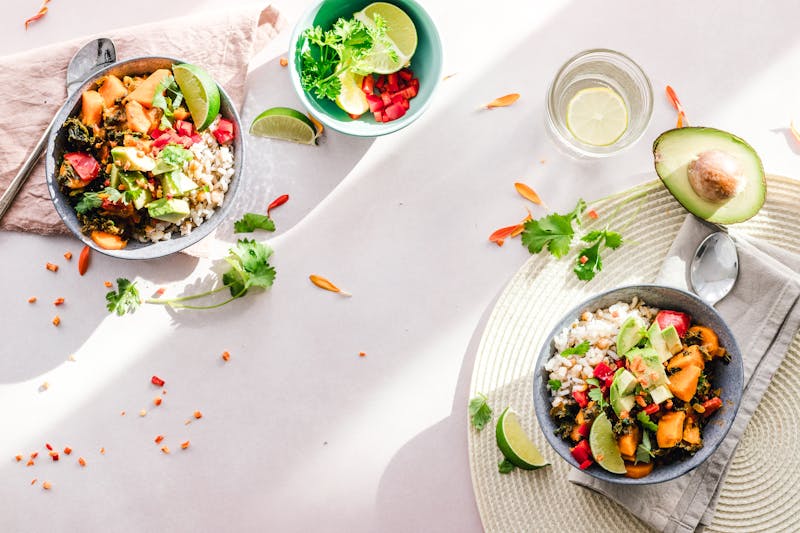
The 6 Most Important Nutrients in the First Trimester
| Nutrient | Daily Need | Why It’s Critical | Top Food Sources |
|---|---|---|---|
| Folic acid | 600–800 mcg | Prevents neural tube defects (tube closes by week 6) | Spinach, lentils, fortified cereal, oranges |
| Iron | 27 mg | Supports 50% blood volume increase | Lean beef, spinach, beans, fortified cereal |
| DHA (omega-3) | 200–300 mg | Brain and eye development | Salmon, sardines, DHA supplement |
| Calcium | 1,000 mg | Bone and teeth formation begins | Yogurt, milk, fortified plant milk, broccoli |
| Vitamin D | 600 IU | Calcium absorption, immune support | Sunlight, fortified milk, eggs |
| Iodine | 220 mcg | Baby’s thyroid and brain development | Iodized salt, dairy, eggs |
For the complete supplement breakdown by stage, see our Prenatal Vitamin Guide.
Best Foods for the First Trimester
Folate-Rich Foods
Folate (the natural form of folic acid) is the single most important nutrient in early pregnancy. The neural tube — which becomes baby’s brain and spinal cord — closes by week 6, often before many women know they’re pregnant.
Top picks:
- Dark leafy greens: spinach, kale, romaine lettuce
- Lentils and black beans (1 cup = 358 mcg folate)
- Asparagus (4 spears = 89 mcg)
- Fortified breakfast cereals (check labels: many have 100% DV)
- Oranges and orange juice
- Avocado (half = 59 mcg)
💡 Tip: Even with folate-rich foods, you still need a prenatal vitamin. Food folate is only about 50% as bioavailable as synthetic folic acid in supplements, according to the NIH.
Iron-Rich Foods
Iron needs jump from 18 mg to 27 mg per day during pregnancy. Your body is building an entirely new blood supply, and iron deficiency anemia affects up to 18% of pregnant women in the U.S., per the CDC.
Iron absorption boosters:
- Pair iron-rich foods with vitamin C (squeeze lemon on spinach, eat strawberries with fortified cereal)
- Cook in cast iron skillets — it adds small amounts of iron to food
- Avoid coffee/tea with iron-rich meals (tannins inhibit absorption)
Protein Sources
You need about 71 grams of protein per day during pregnancy (up from 46 g pre-pregnancy). Protein supports baby’s rapid cell growth.
| Protein Source | Per Serving | Bonus Nutrients |
|---|---|---|
| Greek yogurt (1 cup) | 15–20 g | Calcium, probiotics |
| Eggs (2 large) | 12 g | Choline, vitamin D |
| Chicken breast (3 oz) | 26 g | B6 (helps with nausea) |
| Lentils (1 cup cooked) | 18 g | Folate, iron, fiber |
| Cottage cheese (1 cup) | 28 g | Calcium |
| Tofu (½ cup firm) | 10 g | Calcium, iron |
Foods That Help With Morning Sickness
When nausea makes eating difficult, these are generally well-tolerated:
- Crackers and dry toast — eat before getting out of bed
- Ginger in any form: tea, chews, cookies, crystallized
- Cold foods — smoothies, yogurt, cold sandwiches (less aroma)
- Bland starchy foods — rice, pasta, potatoes, bananas
- Popsicles and frozen fruit — hydrating and easy on the stomach
- Lemon — sniffing lemon or adding it to water can reduce nausea
📊 Key Data: A study in the Journal of Obstetrics and Gynaecology found that women who ate within 15 minutes of waking reported 40% less morning nausea compared to those who waited an hour or more.
For more nausea relief strategies, see our Morning Sickness Remedies guide.
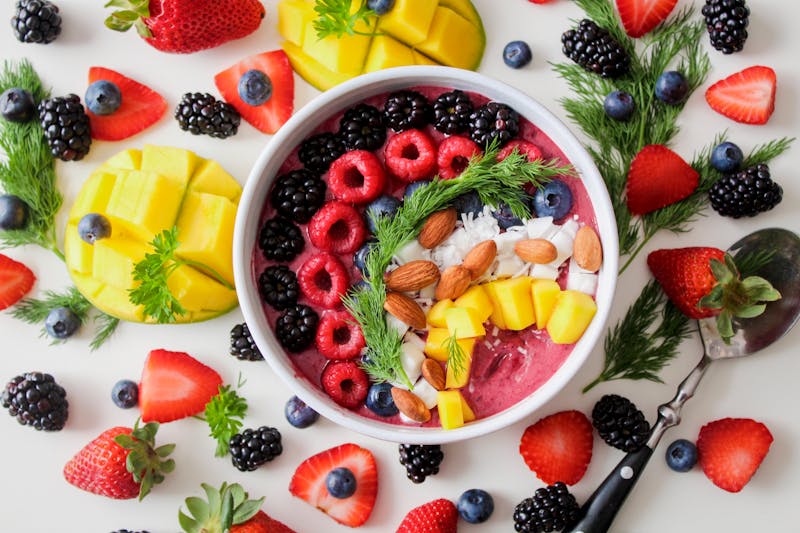
Sample Meal Plan for Morning Sickness Days
| Meal | Option A (mild nausea) | Option B (severe nausea) |
|---|---|---|
| Before rising | 2 crackers + small water sip | 2 crackers + ginger chew |
| Breakfast | Greek yogurt + berries + granola | Plain toast + banana |
| Mid-morning | Handful of almonds + cheese | Popsicle or frozen grapes |
| Lunch | Avocado toast + hard-boiled egg | Plain pasta with butter |
| Afternoon | Apple slices + peanut butter | Saltine crackers + ginger ale |
| Dinner | Baked salmon + rice + steamed broccoli | Chicken broth + plain rice |
| Evening | Small smoothie (banana + milk + spinach) | Watermelon cubes |
⚠️ Important: If you can barely eat, don’t panic. In the first trimester, baby gets nutrients from your body’s reserves. Your prenatal vitamin covers the basics. Eat whatever you can tolerate — survival mode is okay for a few weeks. Call your provider if you lose more than 5% of your body weight.
Foods and Drinks to Avoid
For the complete list with explanations, see our Foods to Avoid During Pregnancy guide.
Quick reminders:
- ❌ Alcohol — no known safe amount
- ❌ High-mercury fish (shark, swordfish, king mackerel)
- ❌ Raw or undercooked meat, eggs, and seafood
- ❌ Unpasteurized dairy and juice
- ❌ Deli meats unless heated to steaming
- ⚠️ Caffeine — limit to 200 mg/day (about one cup of coffee)
Hydration Is Non-Negotiable
Aim for 8–10 glasses (about 2.3 liters) of water daily. Dehydration worsens nausea, constipation, and fatigue — all common first-trimester complaints. If plain water is hard to stomach:
- Add lemon, cucumber, or mint
- Try coconut water (natural electrolytes)
- Eat water-rich foods: watermelon, cucumber, oranges, soup
- Sip throughout the day rather than gulping large amounts
FAQ
Do I need to eat for two in the first trimester?
No. You need zero additional calories in the first trimester according to ACOG. The extra calorie needs come later: about 340 extra calories per day in the second trimester and 450 in the third. Focus on nutrient density, not quantity.
What if I can only eat junk food because of morning sickness?
That’s okay in the short term. Eating something is better than eating nothing. Your prenatal vitamin covers essential nutrients. Most women’s appetites normalize by weeks 12–14. If you’re concerned about nutrition, talk to your provider about whether a liquid prenatal vitamin might be easier to tolerate.
Is it safe to eat spicy food during pregnancy?
Yes, spicy food is safe during pregnancy. However, it may worsen heartburn and nausea, which are already common in the first trimester. If you enjoy spicy food and it doesn’t bother you, there’s no need to avoid it.
Should I take extra supplements beyond a prenatal vitamin?
For most women, a quality prenatal vitamin plus a DHA supplement covers the basics. Some women may need extra iron (if anemic), vitamin D (if deficient), or B6 (for nausea). Your provider can check your levels with blood work and recommend additional supplements if needed. Use our Prenatal Vitamin Guide for stage-specific recommendations.
💡 Related Resources: After baby arrives, visit our sister site baby.chparenting.com for newborn care, sleep training, feeding guides, and developmental milestones.
References
- American College of Obstetricians and Gynecologists. “Nutrition During Pregnancy.” acog.org
- National Institutes of Health. “Folate — Fact Sheet for Health Professionals.” nih.gov
- Centers for Disease Control and Prevention. “Iron Deficiency Anemia.” cdc.gov
- Mayo Clinic. “Pregnancy Diet: Focus on These Essential Nutrients.” mayoclinic.org

Written by
Vega LinFounder & Editor — Mother of 2 (Taiwan)
Vega writes Pregnancy Guide from the intersection of evidence-based research (ACOG, CDC, WHO) and her own experience as a mother of two. Holds a Master's in Digital Innovation from Tunghai University. Read more →
Related articles