Baby Care Guide ↗
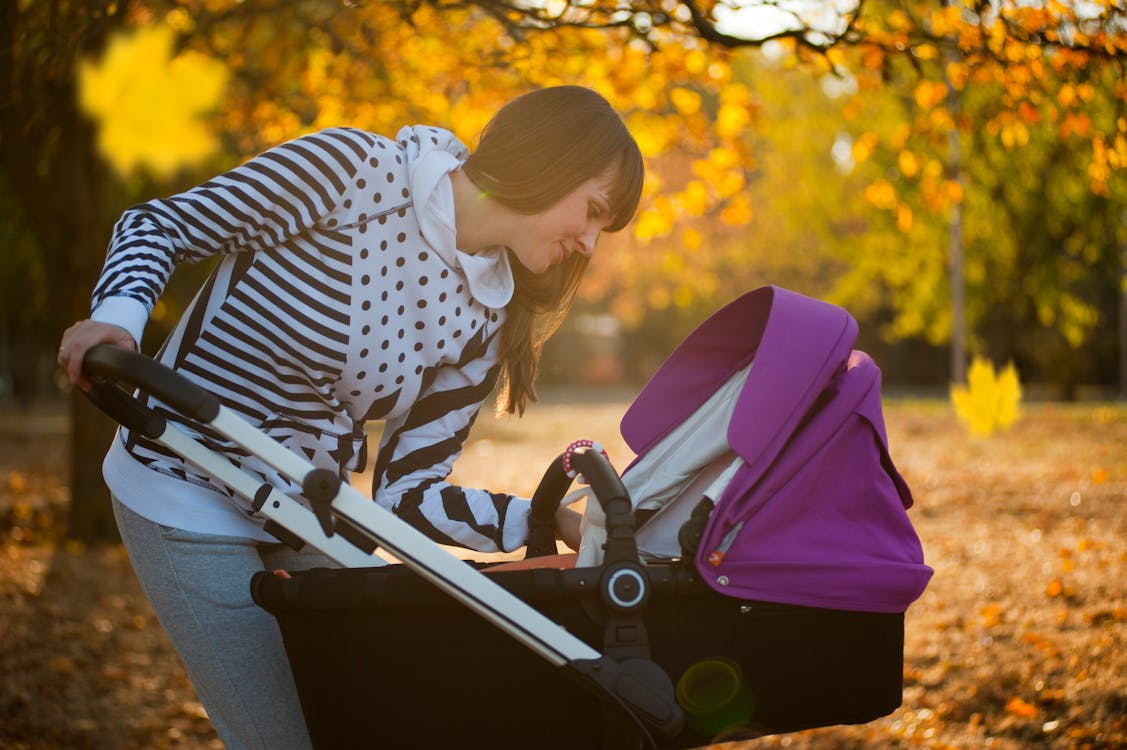
Evidence-based. References guidelines from ACOG, CDC, and WHO.
Informational only, not medical advice. Always consult your OB/GYN or healthcare provider.
A stroller is one of the most-used pieces of baby gear you will own — and one of the most expensive. With hundreds of models available at every price point, choosing the right one can feel overwhelming. The key is understanding which type of stroller matches your lifestyle, your budget, and how you will actually use it day to day. This guide breaks down the five main stroller categories, explains the features that genuinely matter, provides a realistic budget guide, and helps you avoid spending money on features you will never use. We focus on safety standards, practical functionality, and real-world usability rather than brand hype. Include a stroller on your baby registry checklist and check our newborn essentials guide to see what else you truly need.
📌 Key Takeaway: There is no single “best” stroller — the right choice depends on your lifestyle. Full-size strollers offer the most features but are heaviest. Lightweight strollers excel for travel and urban use. Jogging strollers are essential for runners. Travel systems provide infant car seat compatibility from birth. Most families benefit from two strollers: a primary full-size or travel system and a compact lightweight for travel. Budget $200–$600 for a quality primary stroller. Use our Baby Cost Calculator to plan your overall gear budget.
Stroller Types: Complete Comparison
Understanding the five main stroller categories is the most important step in making the right choice.
| Type | Best For | Age Range | Weight | Price Range | Pros | Cons |
|---|---|---|---|---|---|---|
| Full-size | Everyday use; walks, errands, parks | Birth–50 lbs (with infant insert or car seat adapter) | 20–30 lbs | $300–$1,200 | Most features; large storage; smooth ride; durable | Heavy; bulky to fold and store; difficult on public transit |
| Lightweight / Umbrella | Travel; public transit; quick errands | 6 months–50 lbs (most require seated position) | 10–18 lbs | $100–$400 | Compact fold; easy to carry; fits in overhead bins (some models) | Fewer features; smaller canopy; less suspension; less storage |
| Jogging | Running; rough terrain; active parents | 6–8 months–75 lbs (when baby has full head/neck control) | 25–35 lbs | $250–$700 | Three-wheel design; air-filled tires; suspension; hand brake | Large footprint; not ideal for tight spaces; heavy; not for newborns |
| Double / Tandem | Twins or siblings close in age | Birth–50 lbs per seat | 30–40 lbs | $300–$1,000 | Carries two children; various configurations (tandem, side-by-side) | Very wide (side-by-side) or very long (tandem); heavy; hard to fold |
| Travel system | Newborns; car-to-stroller transition | Birth–50 lbs | 25–35 lbs (stroller + car seat) | $250–$700 (includes infant car seat) | Car seat clicks directly into stroller frame; no waking sleeping baby | Heavy when combined; outgrown infant car seat by 12–18 months |
📊 Key Data: According to the Consumer Product Safety Commission (CPSC), strollers are involved in approximately 14,000 injuries per year requiring emergency room treatment in the United States. The most common injuries are falls from the stroller, finger entrapment, and tip-overs. All strollers sold in the U.S. must meet ASTM F833 safety standards, which cover stability, restraint systems, parking brakes, and structural integrity. Always use the five-point harness and engage parking brakes on slopes.
Top Features to Look For
Not all features matter equally. Here are the ones that make a real difference in daily use, ranked by importance:
Essential features:
- Five-point harness: Non-negotiable safety feature. Look for easy-to-buckle designs you can operate with one hand.
- One-hand fold: You will be holding your baby in one arm. If you cannot fold the stroller with one hand, it will frustrate you daily.
- Adjustable handlebar: Prevents back pain for tall parents. If you and your partner are different heights, this feature matters significantly.
- Adequate canopy: Look for an extendable canopy with UPF 50+ sun protection and a peek-a-boo window so you can check on your baby without stopping.
- Good brakes: Parking brakes that are easy to engage with one foot. Jogging strollers should also have a hand-operated brake.
Important features:
- Large storage basket: You will use the under-seat basket constantly — for diaper bags, groceries, purses, jackets. If you cannot access it easily when the seat is reclined, it is poorly designed.
- Reclining seat: Full recline is necessary for newborns and napping toddlers. Multiple recline positions offer flexibility.
- Suspension system: Makes a significant difference on rough sidewalks, gravel, and grass. Air-filled tires and spring suspension provide the smoothest ride.
- Lightweight frame: Consider the stroller’s weight against how often you will lift it — into a car trunk, up stairs, onto public transit.
Nice-to-have features:
- Reversible seat (parent-facing and forward-facing)
- Cup holder and parent tray
- All-terrain wheels
- Compatibility with infant car seat (adapter or integrated)
- Standing fold (stroller stands upright when folded)
💡 Tip: Before buying, test-fold the stroller in the store (or watch a video) and measure your car trunk. The number one regret parents report about their stroller is that it does not fit in their car. Also check the weight limit — most strollers hold up to 50 pounds, but some lightweight models max out at 40 pounds.
Budget Guide
| Budget Range | What You Get | Best Options | Lifespan |
|---|---|---|---|
| Under $150 | Basic lightweight or umbrella stroller; minimal features; adequate for occasional use | Good as a secondary/travel stroller; store-brand options | 1–2 years |
| $150–$300 | Solid everyday stroller with good features; some full-size options; most travel systems | Best value range for most families; meets all essential needs | 2–4 years |
| $300–$600 | Premium features — all-terrain wheels, reversible seat, large canopy, suspension | Primary stroller for daily use; will last through multiple children | 3–6 years |
| $600–$1,200 | Top-tier design, materials, and engineering; luxury brands | Beautiful, durable, feature-rich; may hold resale value | 4–8 years |
| Over $1,200 | Ultra-premium and designer strollers | Diminishing returns on features; primarily a design/status choice | Varies |
The $200–$400 range offers the best balance of features, durability, and value for most families. Spending more does not always mean a better stroller for your needs — it often means paying for brand prestige or features you may not use. Use the Baby Cost Calculator to see how stroller costs fit into your overall baby gear budget.

Safety Standards and Guidelines
All strollers sold in the United States must comply with the federal safety standard ASTM F833, enforced by the CPSC. Here is what that means for you:
Mandatory safety requirements:
- Restraint system (five-point harness) that secures the child
- Parking brakes that prevent rolling on slopes
- Locking mechanism that prevents accidental folding during use
- No sharp edges or pinch points accessible to the child
- Structural stability under normal use conditions
Safety practices for parents:
- Always use the harness — even for quick stops
- Engage parking brakes every time you stop, especially on slopes
- Never hang heavy bags on the handlebar (causes tip-overs)
- Never leave your child unattended in a stroller
- Check for recalls on the CPSC website at cpsc.gov/recalls
- Register your stroller with the manufacturer to receive recall notifications
⚠️ Important: The CPSC has recalled over 100 stroller models in the past decade for issues including faulty hinges, collapse risk, and fall hazards. Always register your stroller and check the CPSC recall database before buying a used stroller. A used stroller may look fine but could have a known safety defect.
When to Start Using a Stroller
From birth:
- Full-size strollers with a flat recline position or bassinet attachment
- Travel systems with infant car seat adapter
- Strollers that lie completely flat (170–180 degrees) for newborns who cannot support their own head
From 6 months (when baby has full head and neck control):
- Lightweight and umbrella strollers (which typically require the child to sit upright)
- Jogging strollers (most manufacturers specify 6 to 8 months minimum due to vibration from running)
From 6–8 months for jogging strollers specifically:
- The American Academy of Pediatrics does not have an official recommendation on when to start using a jogging stroller, but most manufacturers recommend waiting until at least 6 to 8 months when the baby has developed sufficient head and neck control to withstand the bouncing and jarring that comes with running on pavement
FAQ
Do I need more than one stroller?
Many families find that two strollers cover all their needs: a full-size or travel system stroller for daily use and a compact lightweight stroller for travel and quick outings. If you live in an urban area and rely on public transit, a lightweight stroller may actually be your primary stroller. If you are a runner, you will need a dedicated jogging stroller in addition to your everyday stroller — regular strollers are not safe for jogging due to their wheel design and lack of suspension.
Is a travel system worth it?
For newborns, a travel system is extremely convenient because it allows you to move a sleeping baby from car to stroller without waking them. The infant car seat clicks directly into the stroller frame. However, babies outgrow infant car seats by 12 to 18 months (or sooner if they exceed the weight limit), at which point you will use the stroller without the car seat. If you plan to buy an infant car seat anyway, a travel system is usually more cost-effective than buying the car seat and stroller separately.
When should I buy a stroller?
Purchase your primary stroller during the second trimester (weeks 20–28) to take advantage of sales and allow time for research. Registry completion discounts from major retailers often provide 10 to 15 percent savings. Test strollers in person if possible — online research helps narrow options, but nothing replaces pushing a stroller through a store to check handling, fold mechanism, and weight. Order by week 34 to ensure delivery before your due date.
Are expensive strollers worth the price?
Not necessarily. Strollers in the $200–$400 range from established brands offer excellent quality, safety, and features for most families. Premium strollers ($600+) often feature better suspension, lighter weight materials (like aircraft-grade aluminum), higher-quality fabrics, and smoother engineering. Whether those differences justify the cost depends on your budget and how much you value those refinements. The most important factors — safety certification, harness quality, and brake effectiveness — are consistent across price points because they are regulated by federal safety standards.
💡 Related Resources: After baby arrives, visit our sister site baby.chparenting.com for newborn care, sleep training, feeding guides, and developmental milestones.
References
- Consumer Product Safety Commission. “Strollers and Carriages Safety.” cpsc.gov
- National Highway Traffic Safety Administration. “Car Seats and Booster Seats.” nhtsa.gov

Written by
Vega LinFounder & Editor — Mother of 2 (Taiwan)
Vega writes Pregnancy Guide from the intersection of evidence-based research (ACOG, CDC, WHO) and her own experience as a mother of two. Holds a Master's in Digital Innovation from Tunghai University. Read more →
Related articles