Baby Care Guide ↗

Evidence-based. References guidelines from ACOG, CDC, and WHO.
Informational only, not medical advice. Always consult your OB/GYN or healthcare provider.
Choosing a prenatal vitamin can feel overwhelming — hundreds of brands, different formulations, and conflicting advice online. To simplify it: there are really only 5–6 nutrients that matter most, and the best prenatal vitamin is the one you can actually take consistently without getting nauseous.
📌 Key Takeaway: The most critical nutrients in a prenatal vitamin are folic acid (600+ mcg), iron (27 mg), DHA (200 mg), iodine (150+ mcg), and vitamin D (600 IU). Start taking a prenatal at least 1 month before trying to conceive. If pills make you nauseous, switch to gummies or liquid — but note that most gummies lack iron and calcium.
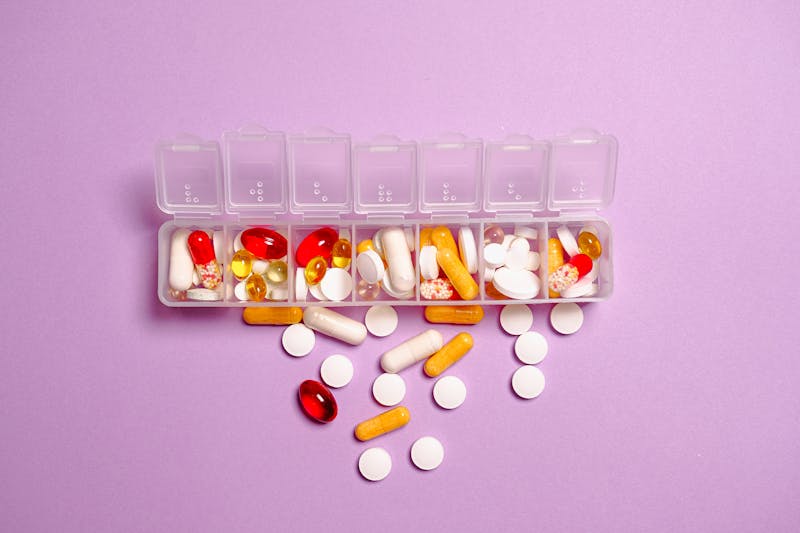
The 6 Non-Negotiable Nutrients
These are the nutrients that ACOG, the CDC, and the WHO agree every pregnant woman needs — and that are hard to get from food alone:
| Nutrient | Minimum Daily Dose | Why It’s Essential | Notes |
|---|---|---|---|
| Folic acid | 600 mcg (800 if high risk) | Prevents neural tube defects | Most important in weeks 3–6, often before you know you’re pregnant |
| Iron | 27 mg | Prevents anemia; supports 50% blood volume increase | Take with vitamin C; avoid with calcium |
| DHA (omega-3) | 200 mg | Baby’s brain and retina development | Often in a separate softgel; many prenatals lack adequate DHA |
| Iodine | 150 mcg | Thyroid function and brain development | 1 in 3 prenatal vitamins don’t contain iodine — check your label |
| Vitamin D | 600 IU | Calcium absorption; immune function | Many experts recommend 1,000–2,000 IU if you’re deficient |
| Calcium | 1,000 mg total | Bone and teeth development | Most prenatals only have 100–300 mg — you’ll need dietary calcium too |
⚠️ Important: Not all prenatal vitamins are the same. A 2021 analysis in JAMA Network Open found that many over-the-counter prenatals contained significantly more or less of certain nutrients than labeled. Choose brands that are third-party tested (look for USP, NSF, or ConsumerLab seals).
When to Start Taking Prenatal Vitamins
Ideally: 1–3 months before trying to conceive. The neural tube (which becomes baby’s brain and spine) closes by week 6 of pregnancy — often before a missed period. Having adequate folic acid in your system before conception is the best protection against neural tube defects. Pair your vitamin with the right foods — see our what to eat in the first trimester guide.
Timeline:
- Pre-conception: Start prenatal vitamin with folic acid immediately
- First trimester: Continue prenatal + add separate DHA if not included
- Second/third trimester: Same prenatal; consider extra iron if blood work shows low levels
- Breastfeeding: Continue prenatal or switch to a postnatal formulation
💡 Tip: Men who are trying to conceive also benefit from specific supplements — zinc, selenium, and CoQ10 have evidence for improving sperm quality. See our Prenatal Vitamin Guide for male-specific recommendations.
Types of Prenatal Vitamins
| Type | Pros | Cons | Best For |
|---|---|---|---|
| Traditional pills/tablets | Complete formulation with iron; usually cheapest | Can be large and hard to swallow; may cause nausea | Women without swallowing issues |
| Gummies | Taste good; easy to take; less nausea | Usually lack iron and calcium; sugar added | Women with morning sickness or pill aversion |
| Softgels | Easier to swallow than tablets; often include DHA | May still cause nausea; fewer nutrients than tablets | Women who want convenience |
| Liquid | Easy absorption; no swallowing required | Taste may be unpleasant; shorter shelf life | Severe morning sickness; swallowing difficulties |
| Powder (mix-in) | Can add to smoothies; good absorption | Limited options; can change drink taste | Smoothie lovers; those who dislike pills entirely |
| Prescription | Insurance may cover; tailored formulations | Requires doctor visit; may be more expensive without coverage | Women with specific deficiencies |
📊 Key Data: According to a 2022 survey by the American Pregnancy Association, 67% of women who stopped taking their prenatal vitamin cited nausea as the primary reason. Switching to gummies reduced dropout rates by 45% — even though gummies typically lack iron.
What to Look for on the Label
When comparing prenatal vitamins, check for these amounts:
| Nutrient | Look For | Red Flag |
|---|---|---|
| Folic acid or methylfolate | ≥ 600 mcg | Less than 400 mcg |
| Iron | 27 mg (or close) | 0 mg (common in gummies) |
| DHA | 200+ mg | Not listed or < 100 mg |
| Iodine | 150+ mcg | Not listed at all |
| Vitamin D | 600+ IU | Less than 400 IU |
| Calcium | Any amount (you’ll supplement with food) | Not a red flag if missing — hard to fit in one pill |
| Vitamin A | ≤ 2,500 IU as beta-carotene | More than 10,000 IU as retinol (toxic in high doses) |
Folate vs. Folic Acid vs. Methylfolate
- Folic acid: Synthetic form; well-studied; effective for most women
- Methylfolate (5-MTHF): Active form; may be better for women with MTHFR gene variants (about 10–15% of the population)
- Food folate: Natural form from food; only about 50% as bioavailable as folic acid
If you know you have an MTHFR variant, choose a prenatal with methylfolate. If you don’t know your status or don’t have the variant, regular folic acid is perfectly effective.

Tips for Taking Prenatal Vitamins
If They Make You Nauseous
- Take with food (not on an empty stomach)
- Take at bedtime instead of morning
- Switch to gummies or liquid formulation
- Try a different brand — inactive ingredients vary
- Split into two half-doses (morning and evening)
For Best Absorption
- Take iron-containing prenatals with vitamin C (orange juice, strawberries)
- Avoid taking with calcium supplements, dairy, coffee, or tea (they block iron absorption)
- Take calcium separately, at a different time of day
- DHA absorbs best with a fat-containing meal
Common Side Effects and Solutions
| Side Effect | Likely Cause | Solution |
|---|---|---|
| Nausea | Iron content | Take at bedtime; switch to gummies; try slow-release iron |
| Constipation | Iron content | Increase fiber and water; consider a gentle stool softener |
| Dark stools | Iron | Normal and harmless — don’t be alarmed |
| Fishy burps | DHA/fish oil | Freeze your DHA softgels; take with food; try algae-based DHA |
| Metallic taste | Iron or B vitamins | Suck on a lemon wedge after taking; switch brands |
FAQ
Can I take gummies instead of pills?
Yes, but with a caveat: most gummy prenatals lack iron and calcium because these minerals don’t taste good in gummy form and can affect texture. If you choose gummies, you may need a separate iron supplement (especially if blood work shows low levels) and extra dietary calcium.
Is it okay to take two different brands to get all nutrients?
Yes, this is actually common and sometimes necessary. For example, many women take a gummy prenatal (for folate, D, and other vitamins) plus a separate DHA softgel and iron tablet. Just make sure you’re not doubling up on any nutrient beyond safe upper limits.
What if I forgot to take my prenatal vitamin?
Don’t panic. Missing a day or even a few days won’t harm your baby — the nutrients build up in your body over time. Don’t double up the next day. Just resume your normal schedule. If you frequently forget, try setting a phone alarm or keeping the bottle next to your toothbrush.
Are expensive prenatal vitamins worth it?
Not necessarily. The most expensive brands aren’t always the most effective. What matters is that the vitamin contains adequate amounts of key nutrients (folic acid, iron, DHA, iodine, vitamin D) and is third-party tested for quality. Some excellent prenatals are available for under $15/month.
💡 Related Resources: After baby arrives, visit our sister site baby.chparenting.com for newborn care, sleep training, feeding guides, and developmental milestones.
References
- American College of Obstetricians and Gynecologists. “Nutrition During Pregnancy.” acog.org
- National Institutes of Health. “Folate — Fact Sheet for Health Professionals.” nih.gov
- National Institutes of Health. “Iron — Fact Sheet for Health Professionals.” nih.gov
- Centers for Disease Control and Prevention. “Folic Acid.” cdc.gov
- Mayo Clinic. “Prenatal Vitamins: Why They Matter, How to Choose.” mayoclinic.org

Written by
Vega LinFounder & Editor — Mother of 2 (Taiwan)
Vega writes Pregnancy Guide from the intersection of evidence-based research (ACOG, CDC, WHO) and her own experience as a mother of two. Holds a Master's in Digital Innovation from Tunghai University. Read more →
Related articles