Baby Care Guide ↗
Evidence-based. References guidelines from ACOG, CDC, and WHO.
Informational only, not medical advice. Always consult your OB/GYN or healthcare provider.
Tired of reading about what you can’t eat? This pregnancy safe foods list printable guide flips the script and focuses on everything you CAN enjoy during pregnancy. Organized by food group with detailed tables, serving sizes, and nutritional notes, this is your go-to kitchen reference for the next nine months. Bookmark or print this page as your kitchen reference — it covers every food group so you never have to second-guess what’s on your plate. For trimester-specific meal ideas, see our what to eat in the first trimester guide.
📌 Key Takeaway: This pregnancy safe foods list printable guide covers hundreds of safe options organized by food group. The key rules are simple: choose pasteurized dairy, cook meat to proper temperatures, pick low-mercury seafood, wash all produce, and eat a colorful variety of fruits and vegetables. Most foods are safe when handled and prepared properly.
Quick Yes/No/Limit Reference Chart
Before diving into the detailed tables, here are quick answers to the most common food questions during pregnancy. Use this pregnancy safe foods list printable section as your fast reference.
| Food | Safe? | Notes |
|---|---|---|
| Sushi (cooked rolls) | Yes | California rolls, tempura rolls, and cooked shrimp rolls are all safe |
| Sushi (raw fish) | No | Risk of parasites and bacteria; avoid all raw fish |
| Honey | Yes | Safe for pregnant women; botulism risk only applies to infants under 12 months |
| Coffee | Limit | Up to 200 mg caffeine per day (about one 8 oz cup of brewed coffee) |
| Deli meat (cold) | Limit | Heat to 165°F/steaming to kill Listeria before eating |
| Hot dogs | Limit | Heat to steaming/165°F before eating; avoid cold hot dogs |
| Soft cheese (pasteurized) | Yes | Check label for “made with pasteurized milk” |
| Soft cheese (unpasteurized) | No | Risk of Listeria; avoid brie, camembert, queso fresco from raw milk |
| Hard cheese | Yes | Cheddar, parmesan, Swiss — all safe regardless of milk source |
| Eggs (fully cooked) | Yes | Scrambled, hard-boiled, omelets — all safe when fully set |
| Eggs (runny) | No | Risk of Salmonella; avoid soft-boiled and sunny-side-up with runny yolk |
| Peanut butter | Yes | Excellent protein source; safe unless you have a peanut allergy |
| Salmon | Yes | One of the best pregnancy foods — high in omega-3 DHA, low mercury |
| Canned tuna (light) | Yes | Up to 2-3 servings per week; lower mercury than albacore |
| Albacore tuna | Limit | Up to 6 oz per week due to moderate mercury levels |
| Herbal tea | Limit | Ginger, peppermint, rooibos are safe; avoid dong quai, ginseng, pennyroyal |
| Yogurt (pasteurized) | Yes | Excellent calcium and probiotic source |
| Sprouts (raw) | No | Risk of Salmonella and E. coli; cook thoroughly or avoid |
| Bacon (cooked crispy) | Yes | Cook until crispy; safe when thoroughly heated |
| Ice cream (store-bought) | Yes | Made with pasteurized ingredients; safe for pregnancy |
Safe Proteins for Pregnancy
Protein needs increase during pregnancy — you need about 71 grams per day in the second and third trimesters (compared to 46 grams when not pregnant). Here are all the safe options from this pregnancy safe foods list.
| Protein Source | Safe? | Notes | Recommended Serving |
|---|---|---|---|
| Chicken (fully cooked) | Yes | Cook to internal temp 165°F (74°C) | 3-4 oz per meal |
| Turkey (fully cooked) | Yes | Cook to 165°F; heat deli turkey until steaming | 3-4 oz per meal |
| Beef (well-done) | Yes | Cook ground beef to 160°F; steaks to 145°F + 3 min rest | 3-4 oz per meal |
| Pork (well-done) | Yes | Cook to 145°F + 3 min rest; ground pork to 160°F | 3-4 oz per meal |
| Lamb (well-done) | Yes | Cook to 145°F + 3 min rest | 3-4 oz per meal |
| Tofu | Yes | Excellent plant protein; versatile and safe | 4-6 oz per meal |
| Tempeh | Yes | Fermented soy — safe and high in protein | 3-4 oz per meal |
| Lentils | Yes | High in folate, iron, and fiber | 1/2 cup cooked |
| Chickpeas | Yes | Great in salads, soups, hummus | 1/2 cup cooked |
| Black beans | Yes | High in folate and iron | 1/2 cup cooked |
| Kidney beans | Yes | Cook thoroughly (never eat raw dried beans) | 1/2 cup cooked |
| Edamame | Yes | Whole soy; great snack, high in protein and folate | 1/2 cup |
| Eggs (hard-boiled) | Yes | Cook until yolk is firm; 6g protein per egg | 1-2 eggs |
| Eggs (scrambled, omelets) | Yes | Cook until fully set, no runny portions | 2-3 eggs |
| Nuts (almonds, walnuts, cashews) | Yes | Healthy fats and protein; great snack | 1 oz (small handful) |
| Peanut butter | Yes | Choose natural varieties with less added sugar | 2 tablespoons |
| Greek yogurt | Yes | High protein (15-20g per serving) plus calcium | 6-8 oz |
| Cottage cheese (pasteurized) | Yes | 14g protein per half-cup | 1/2 cup |
💡 Tip: Use a meat thermometer for all meats — it removes the guesswork. Color alone is not a reliable indicator of doneness, according to the USDA. A $10 instant-read thermometer is one of the best investments for pregnancy food safety.
Safe Dairy Products for Pregnancy
You need 1,000 mg of calcium per day during pregnancy. Dairy is the most efficient source.
| Dairy Product | Safe? | Notes | Calcium per Serving |
|---|---|---|---|
| Pasteurized milk (whole, 2%, skim) | Yes | All types safe; whole milk provides more vitamin D | 300 mg per 8 oz |
| Greek yogurt (pasteurized) | Yes | Higher protein than regular yogurt; probiotics support digestion | 200 mg per 6 oz |
| Regular yogurt (pasteurized) | Yes | Choose varieties with live cultures for gut health | 300 mg per 8 oz |
| Cheddar cheese | Yes | Hard cheese; safe even from unpasteurized milk | 200 mg per 1 oz |
| Mozzarella (pasteurized) | Yes | Check label; most commercial mozzarella is pasteurized | 220 mg per 1 oz |
| Parmesan | Yes | Hard aged cheese; very safe | 330 mg per 1 oz |
| Swiss cheese | Yes | Hard cheese; safe | 220 mg per 1 oz |
| Cream cheese (pasteurized) | Yes | Check label for pasteurized; most commercial brands are | 30 mg per 1 oz |
| Ricotta (pasteurized) | Yes | Must be pasteurized; check label | 170 mg per 1/2 cup |
| Cottage cheese (pasteurized) | Yes | Check label; excellent protein source | 70 mg per 1/2 cup |
| Ice cream (commercial) | Yes | Made with pasteurized ingredients | 85 mg per 1/2 cup |
| Butter | Yes | Safe; pasteurized | Trace |
| Sour cream (pasteurized) | Yes | Safe; check label | 30 mg per 2 tbsp |
⚠️ Important: Always check labels for the word “pasteurized.” Most dairy products sold in U.S. grocery stores are pasteurized, but farmers’ market and specialty products may not be. When in doubt, ask or skip it.
Safe Seafood for Pregnancy (Low-Mercury Options)
The FDA recommends eating 8-12 ounces of low-mercury seafood per week during pregnancy for essential omega-3 DHA that supports baby’s brain development. Use this section of the pregnancy safe foods list printable to choose the best options.
| Seafood | Safe? | Mercury Level | Omega-3 DHA | Weekly Limit |
|---|---|---|---|---|
| Salmon (wild or farmed) | Yes | Very low | Very high | 12 oz/week |
| Shrimp | Yes | Very low | Moderate | 12 oz/week |
| Tilapia | Yes | Very low | Low | 12 oz/week |
| Cod | Yes | Low | Moderate | 12 oz/week |
| Sardines | Yes | Very low | Very high | 12 oz/week |
| Anchovies | Yes | Very low | High | 12 oz/week |
| Canned light tuna | Yes | Low | Moderate | 8-12 oz/week |
| Pollock | Yes | Very low | Moderate | 12 oz/week |
| Catfish | Yes | Very low | Low | 12 oz/week |
| Trout (freshwater) | Yes | Low | High | 12 oz/week |
| Crab | Yes | Low | Moderate | 12 oz/week |
| Scallops (cooked) | Yes | Low | Low-moderate | 12 oz/week |
| Clams (cooked) | Yes | Very low | Moderate | 12 oz/week |
| Albacore tuna | Limit | Moderate | High | 6 oz/week |
| Halibut | Limit | Moderate | Moderate | 6 oz/week |
📊 Key Data: According to the FDA and EPA, eating 8-12 ounces of low-mercury fish per week during pregnancy can boost baby’s IQ by an average of 2-3 points compared to eating no fish. The DHA omega-3 fatty acids are critical for fetal brain and retinal development.
Safe Fruits and Vegetables for Pregnancy
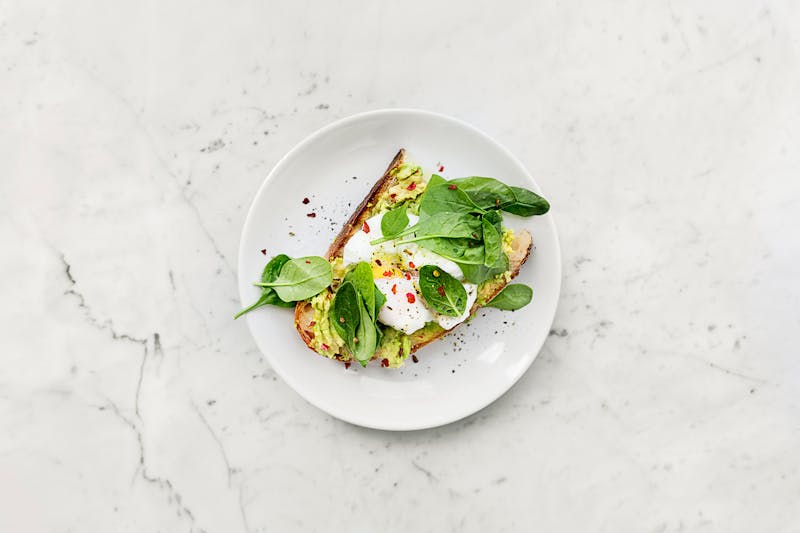
Aim for 2.5-3 cups of vegetables and 1.5-2 cups of fruit daily during pregnancy. Virtually all fruits and vegetables are safe — the key is proper washing.
| Category | Best Choices | Key Nutrients | Serving |
|---|---|---|---|
| Leafy greens | Spinach, kale, romaine, Swiss chard | Folate, iron, calcium, fiber | 1-2 cups daily |
| Orange vegetables | Sweet potatoes, carrots, butternut squash | Vitamin A (beta-carotene), fiber | 1/2 cup cooked |
| Cruciferous | Broccoli, cauliflower, Brussels sprouts | Folate, vitamin C, fiber | 1/2 cup cooked |
| Berries | Blueberries, strawberries, raspberries | Antioxidants, vitamin C, fiber | 1/2-1 cup |
| Citrus fruits | Oranges, grapefruit, clementines | Vitamin C, folate, hydration | 1 medium fruit |
| Bananas | Banana | Potassium, vitamin B6 (helps with nausea) | 1 medium |
| Avocado | Avocado | Healthy fats, folate, potassium | 1/2 avocado |
| Tomatoes | Fresh or canned | Vitamin C, lycopene, potassium | 1/2-1 cup |
| Bell peppers | All colors | Vitamin C (1 pepper = 300% daily value) | 1/2-1 pepper |
| Mangoes | Fresh or frozen | Vitamin A, vitamin C, folate | 1/2 cup |
| Legumes (peas, green beans) | Fresh, frozen, or canned | Fiber, folate, iron | 1/2 cup |
💡 Tip: Wash all fruits and vegetables under running water before eating, even those you plan to peel. Scrub firm produce like melons with a clean brush. Pre-cut fruit from salad bars and buffets carries higher bacterial risk — prepare your own at home when possible.
Safe Grains and Carbohydrates for Pregnancy
Carbohydrates are your body’s primary energy source and should make up about 45-65% of your daily calories during pregnancy.
| Grain/Carb | Safe? | Benefits | Serving |
|---|---|---|---|
| Whole wheat bread | Yes | Fiber, B vitamins, iron | 1-2 slices |
| Brown rice | Yes | Fiber, magnesium, B vitamins | 1/2 cup cooked |
| Oatmeal | Yes | Fiber, iron; helps with constipation | 1/2 cup dry |
| Quinoa | Yes | Complete protein, folate, iron, magnesium | 1/2 cup cooked |
| Whole wheat pasta | Yes | Fiber, B vitamins | 1 cup cooked |
| Sweet potatoes | Yes | Vitamin A, fiber, potassium | 1 medium |
| Potatoes | Yes | Potassium, vitamin C, fiber (with skin) | 1 medium |
| Corn tortillas | Yes | Whole grain, calcium (lime-processed) | 2 tortillas |
| Whole grain cereal | Yes | Fortified with folic acid and iron | 1 cup |
| Popcorn (air-popped) | Yes | Whole grain snack, fiber | 3 cups popped |
Safe Snacks and Treats for Pregnancy
| Snack | Safe? | Notes | Portion |
|---|---|---|---|
| Trail mix (nuts, dried fruit) | Yes | Energy-dense; good for nausea | 1/4 cup |
| Apple slices with peanut butter | Yes | Fiber + protein; satisfying snack | 1 apple + 2 tbsp |
| Hummus with carrots or pita | Yes | Protein and fiber from chickpeas | 1/4 cup hummus |
| String cheese | Yes | Easy calcium and protein source | 1 stick |
| Hard-boiled eggs | Yes | Prep ahead for grab-and-go protein | 1-2 eggs |
| Smoothies (fruit + yogurt) | Yes | Great for morning sickness; cold is soothing | 12-16 oz |
| Dark chocolate | Yes | Antioxidants; limit to 1 oz for caffeine | 1 oz |
| Crackers with cheese | Yes | Helps settle nausea; good for first trimester | 5-6 crackers + 1 oz cheese |
| Granola bars | Yes | Choose whole-grain, lower-sugar options | 1 bar |
| Frozen fruit bars | Yes | Hydrating; soothing for nausea | 1 bar |
Safe Drinks for Pregnancy
| Beverage | Safe? | Notes | Daily Limit |
|---|---|---|---|
| Water | Yes | Most important; aim for 8-12 cups daily | Unlimited |
| Pasteurized fruit juice | Yes | Choose 100% juice; limit added sugar | 8 oz |
| Milk (pasteurized) | Yes | Calcium, vitamin D, protein | 3 cups |
| Decaf coffee | Yes | 2-15 mg caffeine per cup | 2-3 cups |
| Ginger tea | Yes | Helps with nausea; naturally caffeine-free | 2-3 cups |
| Peppermint tea | Yes | Soothes digestive discomfort | 2-3 cups |
| Rooibos tea | Yes | Caffeine-free; contains antioxidants | 2-3 cups |
| Sparkling water | Yes | Hydrating; helps with nausea | Unlimited |
| Coconut water | Yes | Natural electrolytes; hydrating | 1-2 cups |
| Brewed coffee (regular) | Limit | Keep total caffeine under 200 mg/day | 1 cup (8 oz) |
For more on what to avoid, see our complete guide on foods to avoid during pregnancy. You can also check your daily nutritional needs with our calorie calculator and make sure you’re getting the right supplements with our prenatal vitamins guide.
Sample One-Day Meal Plan Using This Pregnancy Safe Foods List
| Meal | What to Eat | Key Nutrients |
|---|---|---|
| Breakfast | Oatmeal with blueberries, walnuts, and a glass of pasteurized milk | Fiber, folate, omega-3, calcium |
| Snack | Greek yogurt with sliced strawberries | Protein, calcium, vitamin C |
| Lunch | Grilled chicken salad with spinach, avocado, cherry tomatoes, and whole wheat bread | Protein, folate, healthy fats, iron |
| Snack | Apple slices with 2 tbsp peanut butter | Fiber, protein, healthy fats |
| Dinner | Baked salmon, brown rice, steamed broccoli | Omega-3 DHA, fiber, vitamin C, folate |
| Dessert | 1 oz dark chocolate and a small glass of milk | Antioxidants, calcium |
FAQ
Can I use this pregnancy safe foods list as a printable reference?
Yes, this pregnancy safe foods list printable guide is designed to be bookmarked or printed. All tables are formatted for easy reference. Save or print this page and keep it in your kitchen so you always have a quick answer when preparing meals during pregnancy.
What foods should I eat the most during pregnancy?
Focus on nutrient-dense foods: leafy greens (folate and iron), salmon and sardines (omega-3 DHA), eggs (choline and protein), Greek yogurt (calcium and protein), and sweet potatoes (vitamin A). Variety is key — eating a colorful mix of foods from this safe foods list helps ensure you get all essential nutrients.
Is it safe to eat spicy food during pregnancy?
Yes, spicy food is completely safe during pregnancy and will not harm your baby. However, it may worsen heartburn, which is already common during pregnancy due to progesterone relaxing the esophageal sphincter. If spicy food causes discomfort, reduce the heat level rather than avoiding it entirely.
How many calories should I eat during pregnancy?
Most women need about 340 extra calories per day in the second trimester and 450 extra in the third trimester — roughly an extra snack or small meal. In the first trimester, your calorie needs don’t actually increase. Use our calorie calculator for personalized recommendations based on your pre-pregnancy weight and activity level.
💡 Related Resources: After baby arrives, visit our sister site baby.chparenting.com for newborn care, sleep training, feeding guides, and developmental milestones.
References
- U.S. Food & Drug Administration. “Advice About Eating Fish.” fda.gov
- American College of Obstetricians and Gynecologists. “Nutrition During Pregnancy.” acog.org
- Mayo Clinic. “Pregnancy Diet: Focus on These Essential Nutrients.” mayoclinic.org
- Centers for Disease Control and Prevention. “Maternal Diet.” cdc.gov
- U.S. Department of Agriculture. “Dietary Guidelines for Americans 2020-2025.” dietaryguidelines.gov

Written by
Vega LinFounder & Editor — Mother of 2 (Taiwan)
Vega writes Pregnancy Guide from the intersection of evidence-based research (ACOG, CDC, WHO) and her own experience as a mother of two. Holds a Master's in Digital Innovation from Tunghai University. Read more →
Related articles