Baby Care Guide ↗
Evidence-based. References guidelines from ACOG, CDC, and WHO.
Informational only, not medical advice. Always consult your OB/GYN or healthcare provider.
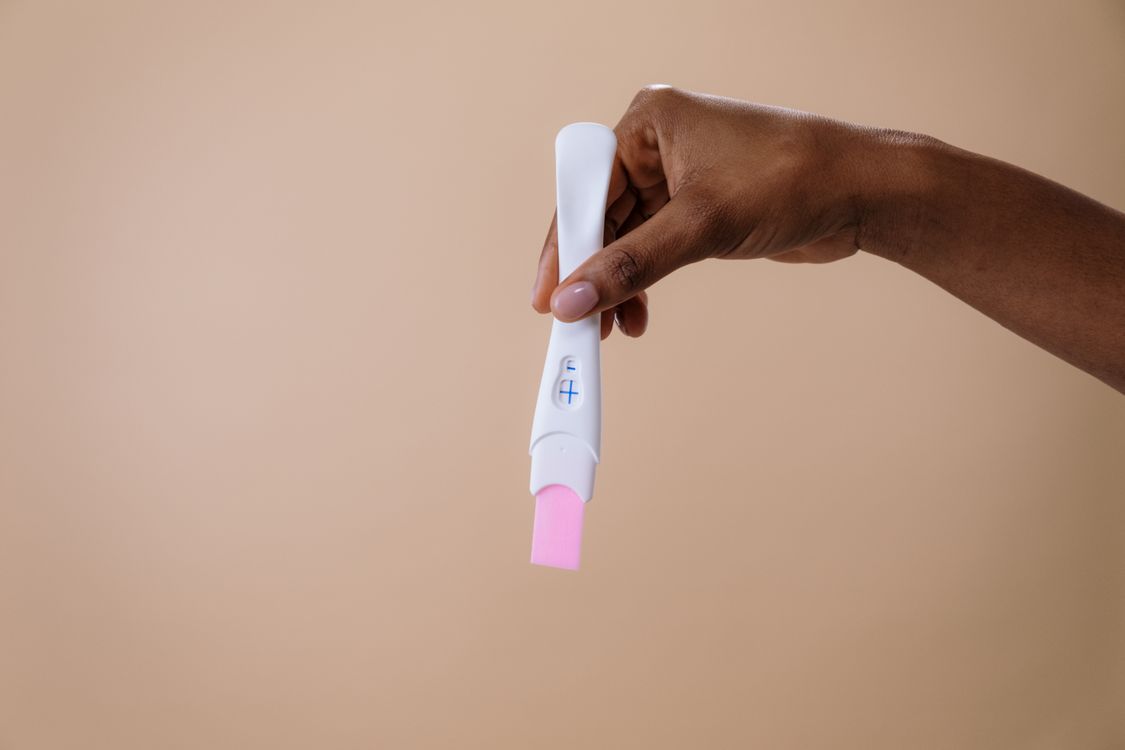
Week 6 of pregnancy is often when things start to feel real. You may have just gotten a positive home pregnancy test, your symptoms are likely ramping up, and your tiny embryo is going through some of the most important development of the entire pregnancy. This is also the week many people start scheduling their first prenatal appointment.
If you’re feeling exhausted, queasy, emotional, or all of the above — that’s completely normal. Here’s everything you need to know about being 6 weeks pregnant, what your baby looks like right now, and how to take care of yourself in this critical early window.
📌 Key Takeaway: According to March of Dimes data, about 10% of US babies are born preterm (before 37 weeks), making week-by-week monitoring important. This guide gives you evidence-based, practical guidance you can apply today. For a related deep dive, see our guide on pregnancy week 12.
Baby’s Size at 6 Weeks Pregnant
At 6 weeks, your baby is roughly the size of a sweet pea or a small lentil — about 0.25 inches (6 mm) from crown to rump. Although tiny, the embryo is developing at lightning speed.
| Measurement | Week 6 |
|---|---|
| Length (crown-rump) | 4–6 mm (0.16–0.25 in) |
| Weight | Less than 1 gram |
| Comparable to | Sweet pea, lentil |
| Heart rate | 100–120 bpm (rising fast) |
What’s Developing This Week
- The neural tube (which becomes the brain and spinal cord) is closing
- The heart has already started beating and may be visible on a transvaginal ultrasound
- Tiny arm and leg buds appear
- Facial features begin to form, including the early structures for eyes and ears
- The placenta and umbilical cord are forming to support nutrient transfer
The first trimester is when most major organ systems are laid down, which is why folate and prenatal vitamins matter so much right now.
Symptoms This Week
Pregnancy hormones — especially hCG, progesterone, and estrogen — are rising rapidly at 6 weeks. That’s why symptoms often feel strongest between weeks 6 and 10.
Most Common Week 6 Symptoms
- Nausea and morning sickness (which can hit any time of day)
- Extreme fatigue — you may feel like you ran a marathon just from grocery shopping
- Sore, tender, or swollen breasts
- Frequent urination as blood volume increases
- Mild cramping as the uterus begins to expand
- Heightened sense of smell (a single whiff of coffee can send you running)
- Mood swings from hormonal shifts
- Food aversions — foods you used to love may suddenly seem repulsive
- Bloating and gas
- Light spotting (often normal, but mention it to your provider)
If nausea is hitting hard, our guide to morning sickness remedies covers safe, evidence-based options.
Symptoms to Call Your Doctor About
While many symptoms are normal, you should contact your OB/GYN right away if you experience:
- Heavy bleeding (soaking a pad in an hour)
- Severe one-sided pelvic pain (could signal ectopic pregnancy)
- Severe vomiting that prevents keeping fluids down (hyperemesis gravidarum)
- Fever over 100.4°F (38°C)
- Sudden disappearance of all pregnancy symptoms
What to Do This Week
Week 6 is a great time to lay the foundation for a healthy pregnancy.
Schedule Your First Prenatal Appointment
Most providers schedule the first visit between 8 and 10 weeks, but call now to get on the calendar. Some practices will see you earlier if you have a history of miscarriage, ectopic pregnancy, or fertility treatment.
Start (or Continue) Prenatal Vitamins
You should be taking a daily prenatal with:
- 400–800 mcg folic acid to prevent neural tube defects
- 27 mg iron
- 150 mcg iodine
- 600 IU vitamin D
- 200 mg DHA (often taken separately)
Avoid Risky Foods and Substances
Cut out alcohol, raw fish, deli meats, soft unpasteurized cheeses, and high-mercury fish. Limit caffeine to under 200 mg per day. Always check with your OB before taking any medications — see our pregnancy-safe medications guide for a starting point.
Hydrate and Rest
Aim for 80–100 oz of water per day and prioritize sleep. Fatigue at 6 weeks is real and biological — your body is building a placenta from scratch.
Track Your Symptoms
Keeping a simple log helps your OB later. Note bleeding, pain, nausea severity, and any unusual symptoms.
Doctor Visit at Week 6
Most people don’t have an in-person appointment yet, but if you do (especially after IVF or with risk factors), here’s what to expect:
| Test or Activity | Purpose |
|---|---|
| Transvaginal ultrasound | Confirm pregnancy location and detect heartbeat |
| Blood hCG levels | Confirm pregnancy is progressing |
| Blood type and Rh factor | Plan for Rh incompatibility |
| Medical history review | Identify risk factors |
| Medication review | Switch to pregnancy-safe options |
A heartbeat is sometimes visible at 6 weeks, but not always — a heart rate may not show up until 6.5–7 weeks. If you don’t see one yet, try not to panic. Your OB will likely schedule a follow-up scan in 1–2 weeks.
Looking Ahead: Weeks 7 to 9
The next three weeks are some of the most rapid in development. By week 7, baby’s brain is growing fast and arm/leg buds are lengthening. At week 8, your baby is officially a fetus (no longer an embryo). By week 9, all major organs have started forming, and the heart has four chambers.
Symptoms typically peak around weeks 8–10, then gradually ease as you head into the second trimester. Hang in there.
For a full week-by-week roadmap, check out our complete pregnancy week-by-week guide.
Frequently Asked Questions
Is it normal to not feel pregnant at 6 weeks?
Yes. Symptom intensity varies enormously. Some people feel sick from week 5, others sail through with almost nothing. Lack of symptoms doesn’t mean miscarriage — but if symptoms suddenly disappear after being strong, mention it to your OB.
Can I see the baby’s heartbeat at 6 weeks?
Sometimes. A transvaginal ultrasound can pick up the heartbeat as early as 5.5–6 weeks, but it’s often easier to see at 6.5–7 weeks. If your scan is too early, your provider will reschedule rather than assume the worst.
Is mild cramping normal at 6 weeks?
Light cramping or pulling sensations are common as your uterus stretches. Sharp, severe, or one-sided pain — especially with bleeding — should be evaluated immediately to rule out ectopic pregnancy.
What’s the miscarriage risk at 6 weeks?
Once a heartbeat is confirmed at 6 weeks, the miscarriage risk drops to roughly 9–10% in people without risk factors. The risk continues falling each week through the first trimester.
Should I tell people I’m pregnant at 6 weeks?
That’s a personal choice. Many people wait until after the first trimester (around 12–13 weeks), when miscarriage risk drops significantly. Others tell close family early for support. Do what feels right for you.
💡 Related Resources: After baby arrives, visit our sister site baby.chparenting.com for newborn care, sleep training, feeding guides, and developmental milestones.
References
- American College of Obstetricians and Gynecologists — How Your Fetus Grows During Pregnancy
- Mayo Clinic — 1st Trimester Pregnancy: What to Expect
- CDC — Folic Acid Recommendations
- NIH — Fetal Development
- ACOG — Nutrition During Pregnancy
Medical Disclaimer: This article is for educational purposes only and is not a substitute for professional medical advice. Always talk to your OB/GYN about your specific symptoms, history, and care plan.

Written by
Vega LinFounder & Editor — Mother of 2 (Taiwan)
Vega writes Pregnancy Guide from the intersection of evidence-based research (ACOG, CDC, WHO) and her own experience as a mother of two. Holds a Master's in Digital Innovation from Tunghai University. Read more →
Related articles